June 5, 2026
In the modern age, pest control services have evolved significantly, with an increased focus on safety and effectiveness. This article explores how these services work to safeguard your family while effectively managing pest populations. As urbanization continues to rise, the interaction between humans and pests becomes inevitable, necessitating refined pest control solutions. These modern services incorporate advanced technology and comprehensive strategies to tackle infestation issues with precision, reducing harmful impacts. By understanding how pest control has transformed, families can feel assured about their environment being protected from potential health hazards.
The Evolution of Pest Control Methods
Historical Practices vs. Modern Techniques
Historically, pest control was often rudimentary, employing basic physical barriers or harmful chemicals indiscriminately applied without regard for safety. These methods often posed risks to both human health and the environment, lacking precision and efficacy. Modern techniques, however, emphasize targeted applications, focusing on eliminating pests while ensuring minimal ecological disruption. These advancements include the use of bio-pesticides and pheromone traps that attract only the intended target. As technology progresses, pest management adopts a more scientific approach, blending innovation with safety to provide more reliable results.
Traditional pest control relied heavily on chemical usage, with little differentiation between pests and non-target species. Today, environmentally friendly options represent a significant shift, with integrated pest management (IPM) at the forefront. IPM combines biological, cultural, and mechanical tools with chemical methods to create a comprehensive, sustainable approach. This evolution reflects broader societal trends towards sustainability and environmental awareness. It demonstrates how pest control isn't just about elimination but also prevention and education about maintaining a balance in nature.
The Rise of Integrated Pest Management (IPM)
Integrated Pest Management (IPM) has emerged as a cornerstone in modern pest control, promoting an eco-friendly and comprehensive strategy for pest management. It prioritizes the use of non-chemical measures, reserving chemical interventions as a last resort. By focusing on prevention, the IPM approach reduces the chance of pest outbreaks, enhancing long-term sustainability. This method involves understanding pest life cycles and their interaction with the environment to manage pest populations effectively and economically. Its systematic and multifaceted approach represents a significant shift from previous extermination-focused methods.
IPM has gained widespread support among pest control professionals due to its holistic view of pest management. It integrates various management strategies, such as biological control using natural predators and habitat manipulation to prevent pest establishment. The use of IPM has provoked a change in societal perspective about pest control, fostering a culture that values environmental integrity. This paradigm shift emphasizes informed decision-making to select diverse control techniques, leading to safer and more sustainable pest management strategies. IPM reflects the latest thinking in pest control, aligning pest management practices with ecological and societal goals.
Technological Advancements in Pest Detection
Advancements in technology have transformed pest detection methods, making it possible to identify and address infestations accurately and efficiently. Advanced tools like heat detection cameras and motion sensors offer real-time data, allowing for quick responses to emerging pest problems. Remote monitoring systems provide continuous observation, ensuring persistent infestations are managed promptly. These technologies facilitate proactive strategies, allowing pest control professionals to anticipate and mitigate potential outbreaks before they escalate. Modern detection methods exemplify the integration of technology into industry practices, enhancing effectiveness and productivity.
Traditional pest detection often relied on visual inspections, which, while necessary, could overlook hidden pest activity. Innovations such as smart traps and sensory devices have introduced precision and automation to the detection process. These tools use data analytics to monitor pest behavior, optimizing pest control interventions with detailed insights. Technology-driven solutions empower professionals to make data-informed decisions, enhancing the efficacy of control measures. By combining traditional approaches with modern technologies, pest control services deliver more comprehensive protection for homes and businesses.
The Common Household Pests
Types and Habitats of Common Household Pests
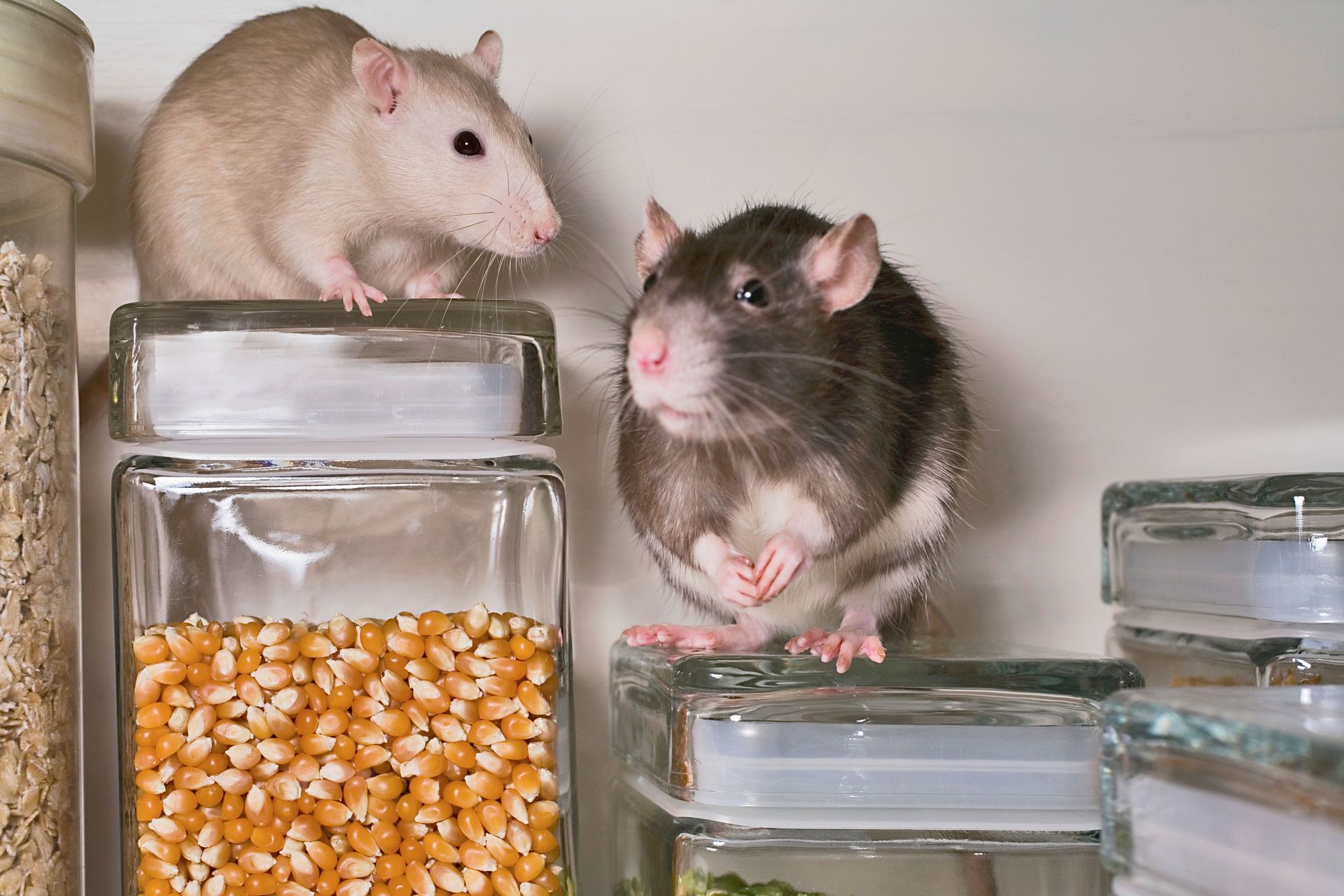
Household pests vary widely in type and habitat, each posing unique challenges for homeowners and pest control professionals. Common pests include rodents, insects, and arachnids, which can adapt to thrive in diverse environments. Rodents, like rats and mice, often seek shelter in warm areas, such as attics and basements, where they find food and nesting materials. Insects such as ants and cockroaches typically inhabit kitchens and bathrooms, drawn by moisture and food residues. Identifying the specific type of pest and its preferred habitats is critical for determining the most effective treatment strategy.
Each pest species presents specific health and structural concerns, necessitating targeted management approaches. Rodents not only cause property damage but also pose health risks, with PestWorld noting that only 28% of Americans realize rodents can transmit over 35 diseases. Insects can also be carriers of disease, with cockroaches known to spread bacteria and trigger allergic reactions. Effective pest control requires a tailored approach that considers the unique characteristics and challenges posed by each type of pest. By identifying the pest type and understanding its behavior, pest control professionals can implement targeted strategies that minimize health risks and structural damage.
Indicators of Pest Infestation
Recognizing the indicators of pest infestation is crucial for early detection and intervention, reducing the potential for widespread damage and health risks. Common signs of infestation include droppings, nests, damage to structures or belongings, and visible sightings of the pests themselves. Noises such as scratching or scurrying in walls or ceilings can also indicate the presence of rodents. Additionally, unusual odors, such as musty or ammonia-like smells, may signal a pest problem. Identifying these indicators early allows for prompt response, mitigating the impact and scope of infestations.
Visual inspection remains a primary method for detecting pest activity, but it often requires a trained eye to spot subtle signs. Pest control professionals are skilled in identifying indicators that may not be immediately apparent to untrained individuals. Their expertise enables them to assess the severity of an infestation accurately, developing targeted treatment plans. Professional inspections also provide peace of mind, ensuring that potential issues are addressed before they escalate. By understanding and recognizing signs of infestation, homeowners are better equipped to act quickly, preventing more extensive problems down the line.
Seasonal Pest Activity
Seasonal shifts significantly influence pest activity, with different pests becoming more prominent depending on weather conditions and time of year. Warmer months often see increased insect activity, with mosquitoes, ants, and termites thriving in heat and humidity. Conversely, colder weather may prompt rodents to seek shelter indoors, leading to higher rodent activity in the winter months. Understanding these patterns enables more effective anticipation and management of potential pest issues. Seasonal awareness allows for strategic timing of preventative measures, reducing the likelihood and severity of infestations.
Adapting pest control strategies according to seasonal variations helps maintain a pest-free environment year-round. Preventative treatments, aligned with seasonal activity patterns, allow for proactive management and timely intervention. For example, preemptive barrier treatments against ants can be applied in spring, while rodent-proofing measures can be enhanced in fall to deter winter infestations. Professionals utilize this knowledge to develop comprehensive, year-round plans that address the unique challenges of each season. By staying attuned to seasonal trends, homeowners can minimize pest-related disruptions and protect their property effectively.
The evolution of modern pest control represents a vital triumph of science and strategy over the hazardous, indiscriminate chemical applications of the past. By focusing on targeted treatments, seasonal behavior patterns, and early preventative indicators, professional services can now neutralize threats like disease-carrying rodents and structurally destructive insects with surgical precision. Ultimately, investing in modern pest management is not just about reacting to an active infestation; it is a proactive commitment to establishing a healthier, highly sustainable, and peaceful home environment where your family can thrive securely year-round.
Have an infestation? Contact Knott's Pest Control, and we will protect your property from bugs, rodents and even weeds.